
Majors
The study of chemistry encompasses a wide range of specializations. Students at Rochester can either study chemistry broadly, or dive into one of our specialized tracks, concentrating their studies on the area that interests them the most.
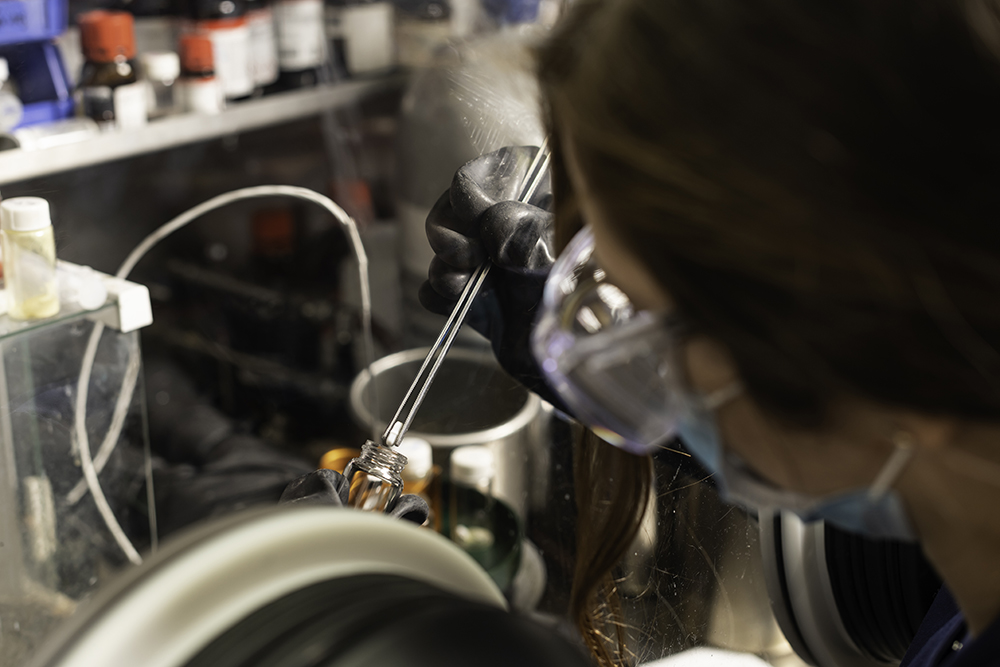
BS in Chemistry
The BS program is designed primarily for students who anticipate professional careers in chemistry and related science. The program provides the range of knowledge, skills, and experience required for work as a professional chemist or for entry into graduate studies in chemistry.
See BS Requirements
BA in Chemistry
The BA program encourages a wide range of elective courses and is particularly suitable for students with interdisciplinary scientific interests in the health professions, biology, physics, geological sciences, engineering, or education. BA students may elect advanced courses in chemistry, including independent research, and can create a curriculum best suited to their individual interests.
See BA Requirements
BA in Chemistry: Biological Chemistry Track
Biological chemistry, or biochemistry, is the study of chemical processes within and relating to living organisms, bridging biology and chemistry to explore molecular mechanisms.
See Biological Chemistry Requirements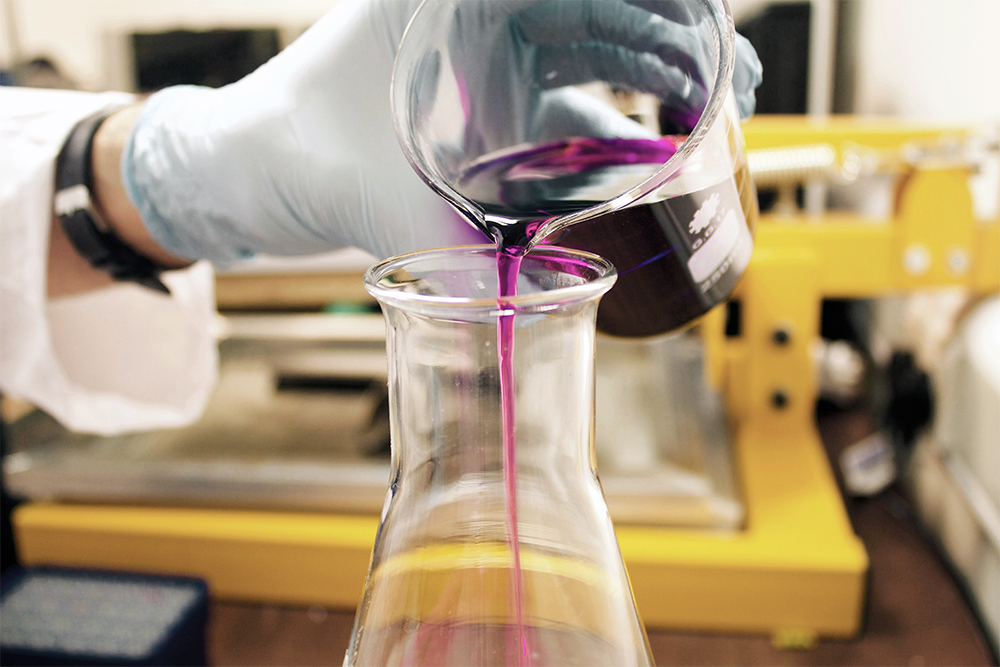
BA in Chemistry: Inorganic Chemistry Track
Inorganic chemistry is the study of the synthesis, structure, and behavior of all chemical compounds that do not contain carbon-hydrogen bonds, encompassing metals, minerals, and organometallic compounds.
See Inorganic Chemistry Requirements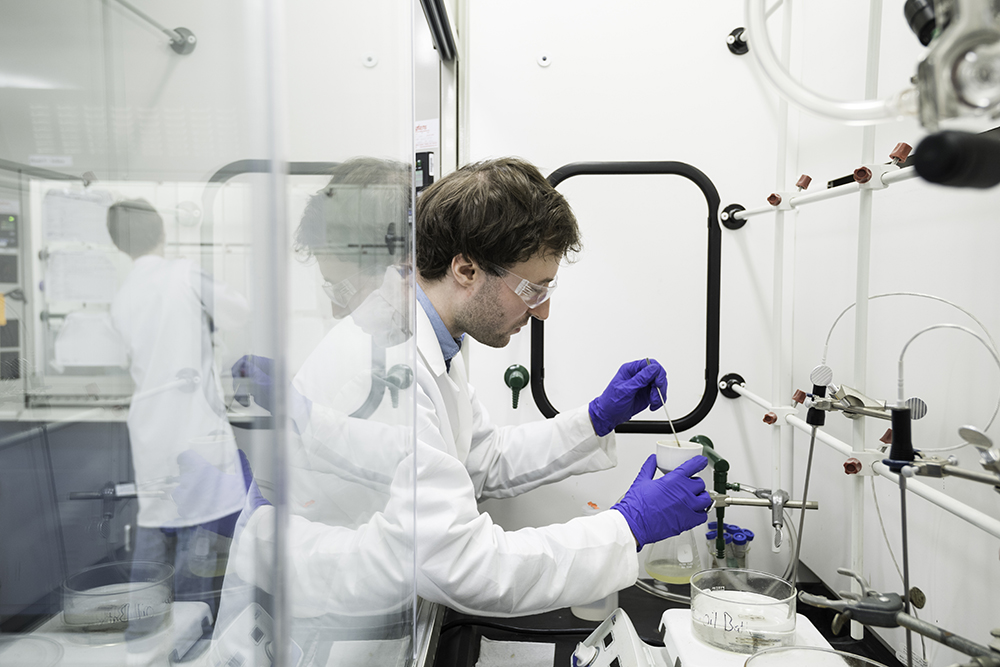
BA in Chemistry: Organic Chemistry Track
Organic chemistry is the study of the structure, properties, composition, reactions, and preparation of carbon-containing compounds, which form the basis of all life and many materials.
See Organic Chemistry Requirements
BA in Chemistry: Physical Chemistry Track
Physical chemistry applies physics principles—like quantum mechanics, thermodynamics, and kinetics—to study molecular-level chemical behavior.
See Physical Chemistry Requirements