
Homepage


Undergraduate Studies
We offer several programs of study that provide both a solid foundation in the discipline of linguistic analysis as well as the opportunity to pursue independent research. Undergraduates may pursue a Bachelor of Arts or minor in Linguistics.
Graduate Studies
Learn about our cross-disciplinary PhD program in Linguistics and our three Master's programs: Master of Arts in Linguistics, Master of Arts in Language Documentation and Description, and Master of Science in Computational Linguistics.
Our Research
Linguistics research at Rochester is dynamic, diverse, and deeply interdisciplinary. With active research labs and wide-ranging collaborations, we're pushing boundaries and asking big questions about how language works and why it matters.
Feature Story
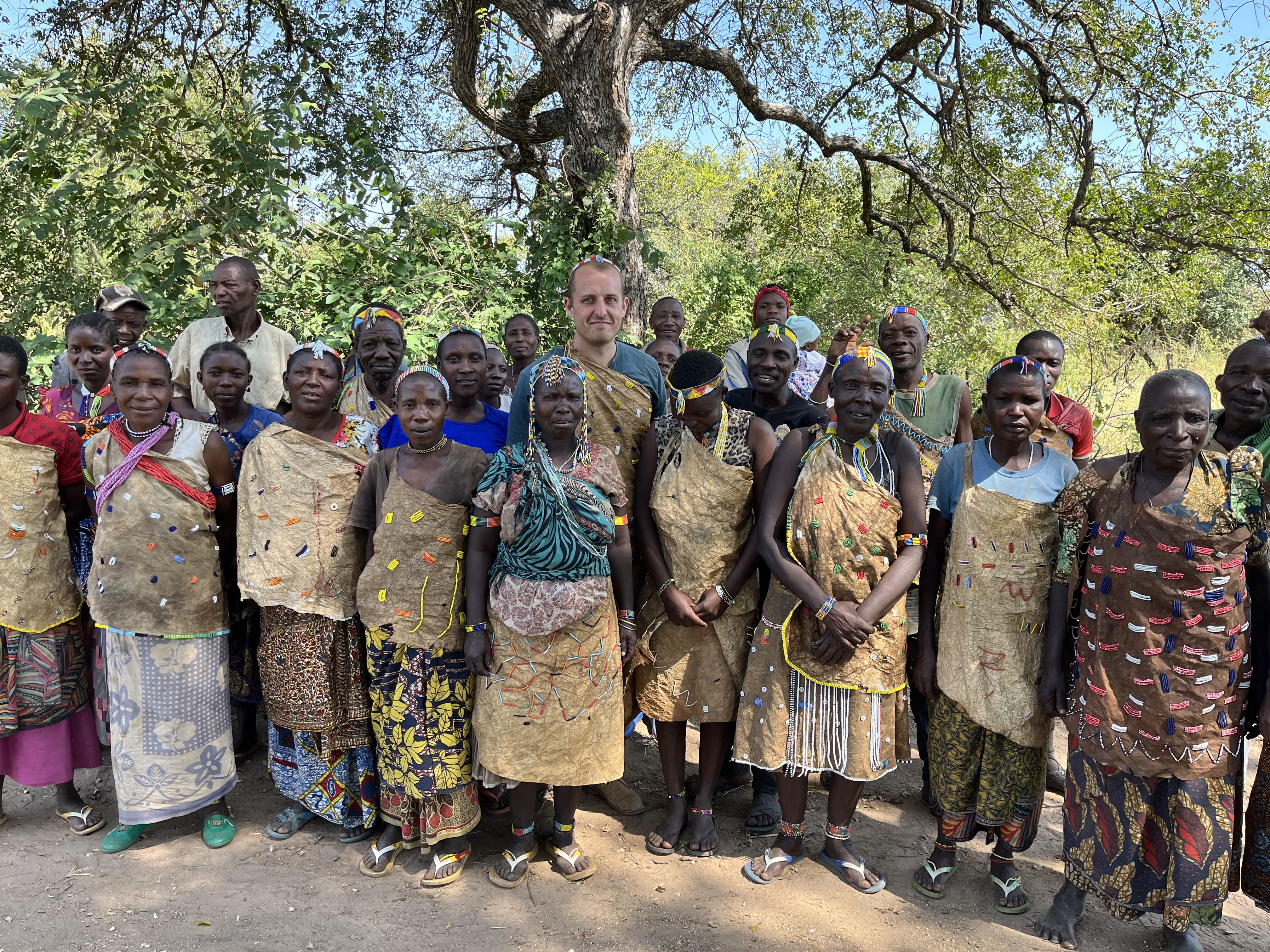
Jeremy Coburn coauthored a sketch grammar of Hadza published in Studies in African Linguistics
"A sketch of Hadza grammar" by Andrew Harvey, Richard Griscom, and Jeremy Coburn is a notable step in the description and documentation of the Hadza language, an endangered language isolate spoken in northern Tanzania. Although Hadza is well known among linguists, particularly for its use of click consonants, this paper brings together and synthesizes decades of prior scholarship (both published and unpublished) in a compact and accessible way for the first time in a sketch grammar. The grammar presents the segmental and tonal inventories and discusses key components of the morphosyntax.
Read MoreUpcoming Events
- Revisiting TP Nominalizations in Turkish: Modality and Aspect (Omnibus Lab Meeting)
Elif Ebru Ersöyleyen
October 30 - Mandarin Pronouns and Reflexives (Omnibus Lab Meeting)
Jeff Runner
October 30 - Omnibus Lab Meeting (Unreserved Slot)
Speaker TBD
November 6
What's Linguistics?
The field of linguistics explores the nature of languages, seeking to describe what human languages are like, how languages develop and change, and how people learn and use language. Unlike courses in a language, where the point is to gain an automatic, unconscious ability to use the language, courses in linguistics attempt to develop a fully explicit, scientific theory of how language works. Linguistics thus offers a unique combination of humanistic and scientific concerns.
Recent News
Featured Courses — Spring 2027

LING 101 Languages of the World
Explore what makes human language universal—and what makes each language unique. Discover how languages vary, evolve, and reflect the cultures and communities that use them.
View Course Catalog
LING 250/450 Data Science for Linguistics
Use data science to explore how language works. Gain hands-on experience collecting, analyzing, and visualizing linguistic data with Python and R while investigating real-world questions about language use.
View Course Catalog
Center for Language Sciences
The Center for Language Sciences (CLS) is an organization at the University of Rochester that brings together faculty, postdocs, and graduate students who conduct research on any aspect of human language as a vehicle for active interdisciplinary work.
CLS fosters research and activities that reach across a very broad group of disciplines covering a wide research focus and range of interests. It's a continually evolving organization with a history of serving as a platform for training students and postdocs in interdisciplinary research and enhancing collaborations among members.
Read MoreContact Us
Get in Touch
For more information about the Department of Linguistics, our programs, our research, or our courses, send us an email.