
Homepage


Major & Minor
Earn a BA degree or take coursework in Archaeology, Technology, and Historical Structures (ATHS).
Senior Projects
ATHS student research covers a range of topics, from water-driven manufacturing in Upstate New York to structural analysis of Gothic cathedrals.
Lectures
ATHS regularly hosts faculty and speakers from around the world during the academic year.
Featured Courses—Spring 2027
Check out some of our featured courses for the upcoming spring 2027 semester. See our spring term schedule page for a full list of courses and their descriptions.
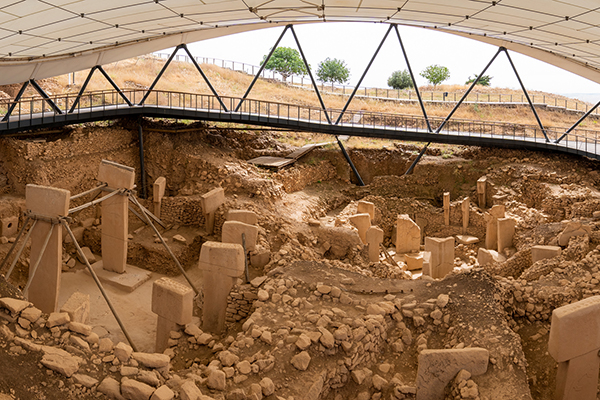
Introduction to Archaeology
ATHS 101 | HIST 109 | AHST 106
Asking how we got here and how we know what we know, this general introduction to archaeology examines its methods, theories, and ethics, and how artifacts and sites reveal human evolution, agriculture, urbanism, religion, and complex societies worldwide.

Classical Mythology
CLST 110 | RELC 115
Introduction to classical mythology: Greek myths of gods, cosmic origins, and heroes and their Roman adaptations, myth’s role in society, theoretical approaches, how authors fit myths to literary or historical contexts, and comparison to other traditions.
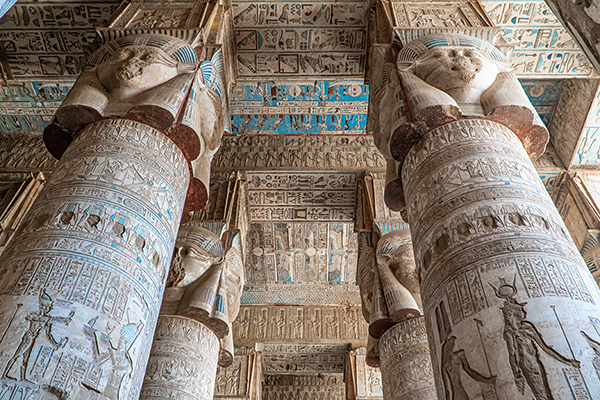
Art and Architecture of Ancient Egypt
ATHS 155 | AHST 127
Introduces ancient Egyptian art, architecture, and archaeology from the Predynastic Period to Roman rule, using buildings, artifacts, remains, and texts to reveal each era’s society and politics, Egypt’s ties to its neighbors, and religion’s impact on art.
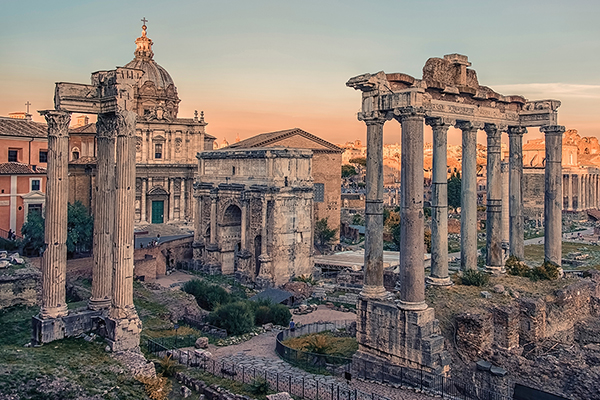
Building, Engineering and Society in Antiquity
ATHS 204W | CLST 204W
Explores how construction, engineering, and technology shaped and were shaped by Greco-Roman society, from engineers’ and architects’ roles to labor, economy, and building use, analyzing texts and monuments while honing research, writing, and speaking skills.
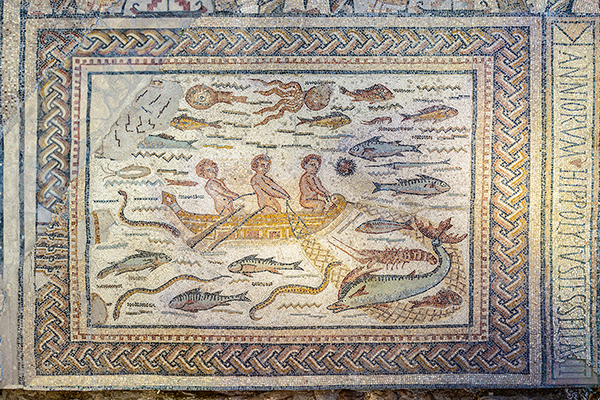
Roman Art and Archaeology
CLST 231 | CLST 231W | AHST 221
An examination of the physical remains of ancient Roman civilization, with an emphasis on architecture, sculpture, painting, and other visual arts, in order to understand Roman culture and society.
Elementary Latin I
LATN 101
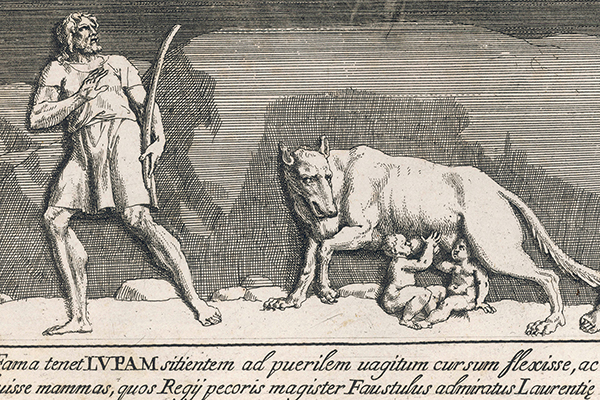
Come learn the language of Vergil, Cicero, and St. Augustine, the West’s learned tongue for 2,000 years and source of most English scholarly and technical vocabulary, in a course sequence that gets you reading authentic texts quickly; no Latin background required.